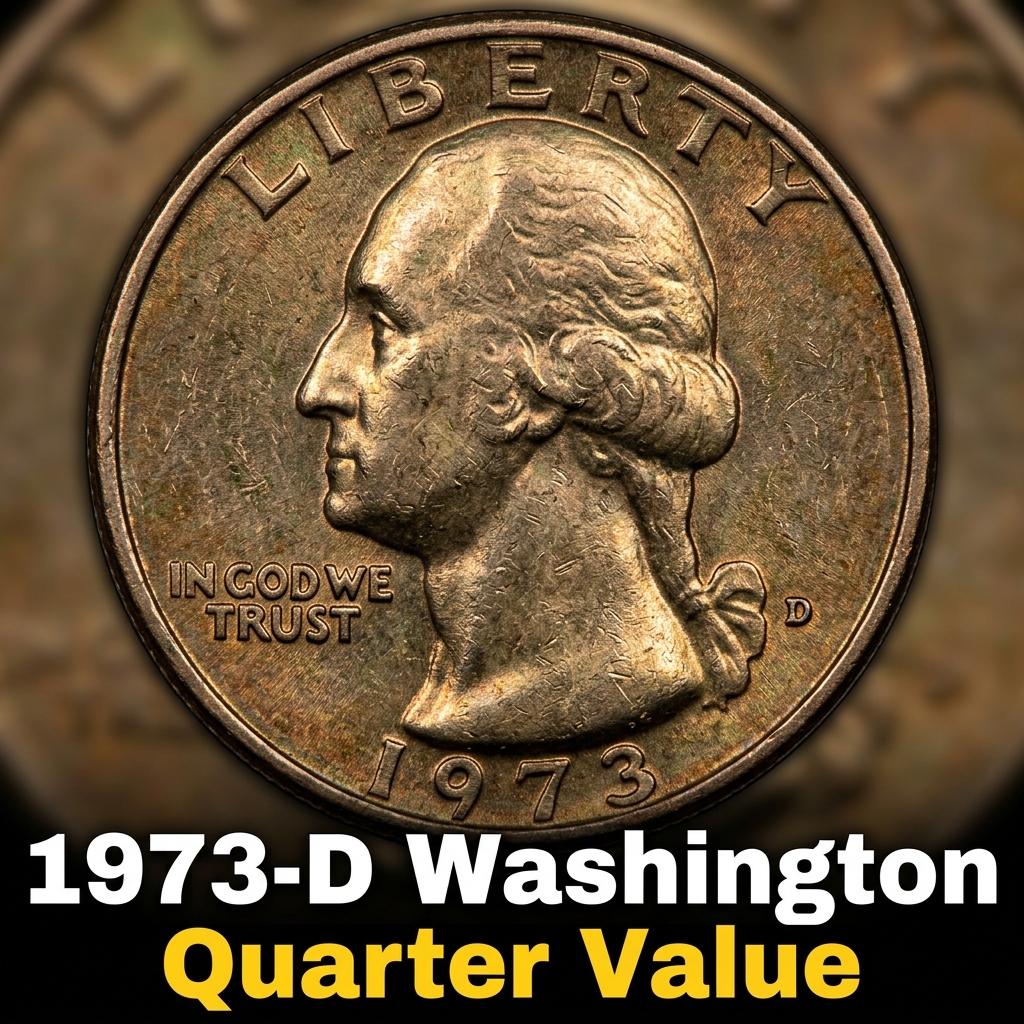
The 1973-D Washington Quarter is worth anywhere from $0.25 in heavily circulated condition to over $10 in uncirculated grades, with top certified examples occasionally reaching $100 or more. If you found one of these coins in your change jar or inherited a collection, you’re in the right place to learn exactly what it’s worth.
Before we dive into the details, it’s worth knowing that identifying and valuing coins has never been easier. A good coin identification app can help you figure out exactly what you have in seconds, especially if you’re new to coin collecting. Tools like CoinKnow are built for everyday people who want fast, reliable answers without wading through complicated price guides.
—
What Is the 1973-D Washington Quarter?
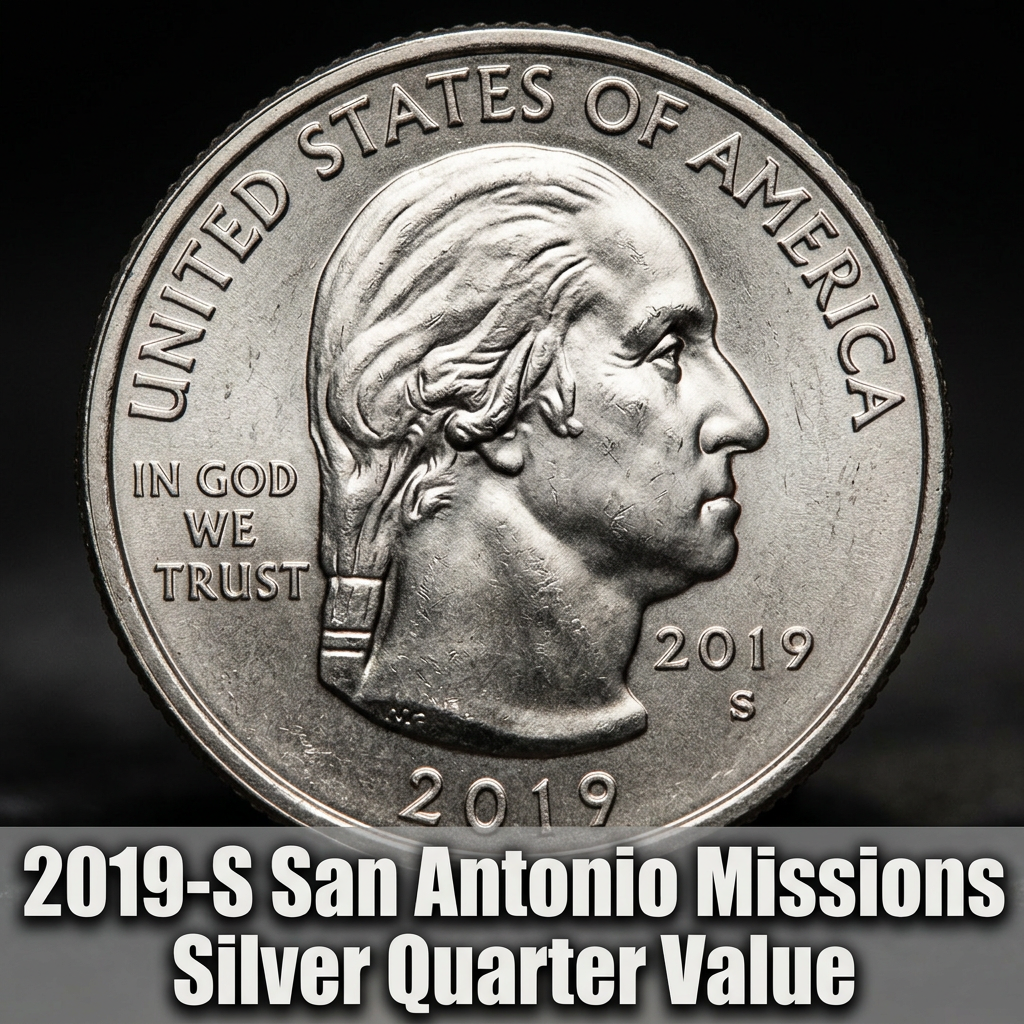
The 1973-D Washington Quarter was struck at the Denver Mint, which is indicated by the small “D” mintmark found on the obverse of the coin, just to the right of Washington’s portrait. In 1973, the Denver Mint produced over 232 million of these quarters, making them relatively common in circulated grades.
Like all quarters from this era, the 1973-D is made of a copper-nickel clad composition — there’s no silver content. That means base metal value alone won’t drive the price up. What matters most to collectors is the coin’s condition, eye appeal, and whether it has been professionally graded by a service like PCGS or NGC.
For most people, the 1973-D quarter they find in pocket change is worth face value — 25 cents. But if the coin looks bright, sharp, and has never seen much wear, you might have something worth holding onto.
—
1973-D Washington Quarter Values by Grade
Coin values are tied directly to condition, or “grade,” which runs from Poor (P-1) at the bottom to Mint State (MS-70) at the top. Here’s a breakdown of typical retail values for the 1973-D quarter across different grades:
| Grade | Description | Estimated Value |
|---|---|---|
| G-4 (Good) | Heavy wear, design visible | $0.25 – $0.50 |
| VF-20 (Very Fine) | Moderate wear, clear details | $0.50 – $1.00 |
| EF-40 (Extremely Fine) | Light wear on high points | $1.00 – $2.00 |
| MS-63 (Uncirculated) | No wear, some marks | $3.00 – $8.00 |
| MS-65 (Gem Uncirculated) | Sharply struck, strong luster | $10.00 – $30.00 |
| MS-67 (Superb Gem) | Nearly perfect, rare at this level | $75.00 – $150.00+ |
For up-to-date auction records and certified coin prices, you can check the 1973-D Washington Quarter price data across mint state grades, which tracks real sales from major auction platforms.
—
How to Tell If Your 1973-D Quarter Is Worth More
Most worn 1973-D quarters aren’t going to make you rich, but there are a few things that can push a coin’s value higher than average:
Strike quality: A well-struck coin will show crisp, clean details in Washington’s hair and the eagle’s feathers on the reverse. Weak strikes are common and less desirable to collectors.
Luster: Uncirculated coins should have a bright, cartwheel-like shine when tilted under light. If the luster looks dull, flat, or washed out, that affects the grade and the price.
Surface marks: Bag marks, scratches, or contact marks from other coins reduce value. The cleaner the surfaces, the better.
Errors: Die errors, off-center strikes, and doubling varieties can significantly increase a coin’s value. These are rare but do exist on 1973-D quarters. Examine your coin closely under magnification.
If you’re unsure what you’re looking at, CoinKnow makes it easy to scan and evaluate your coin using your smartphone. It’s one of the fastest ways to get a ballpark value before spending money on professional grading.
—
Should You Get Your 1973-D Quarter Graded?
Professional grading through PCGS or NGC adds credibility and protection to your coin, but it only makes financial sense if the coin is worth enough to justify the cost. Grading fees typically start around $20 to $30 per coin, so submitting a circulated 1973-D quarter would rarely be worth it.
However, if you have a coin that appears to be MS-65 or better — spotless, fully lustrous, and sharply struck — grading could potentially multiply its value. A raw (ungraded) gem example might sell for $10, but a PCGS or NGC MS-67 example has sold for well over $100.
For a full breakdown of what the 1973 Washington Quarter is worth in every grade and condition, including both Philadelphia and Denver issues, detailed value charts can save you a lot of guesswork.
Not sure if yours qualifies? CoinKnow can help you assess the coin before committing to a grading fee — it’s a smart first step for any collector.
—
FAQ
Q: Is the 1973-D Washington Quarter made of silver?
A: No. The 1973-D quarter is clad, made of a copper-nickel outer layer bonded to a copper core. The U.S. Mint stopped producing silver quarters for circulation after 1964. So this coin has no silver melt value.
Q: How many 1973-D quarters were made?
A: The Denver Mint produced approximately 232,977,400 Washington Quarters in 1973. That’s a high mintage number, which is one reason circulated examples are so common and generally worth only face value.
Q: What makes a 1973-D quarter rare or valuable?
A: Rarity in this coin comes mostly from condition. A high-grade MS-67 example is genuinely scarce because most coins from this era were spent and circulated. Error coins — such as off-center strikes or doubled die varieties — can also command a premium. Always examine your coins carefully, and when in doubt, use a tool like CoinKnow to help you identify anything unusual.