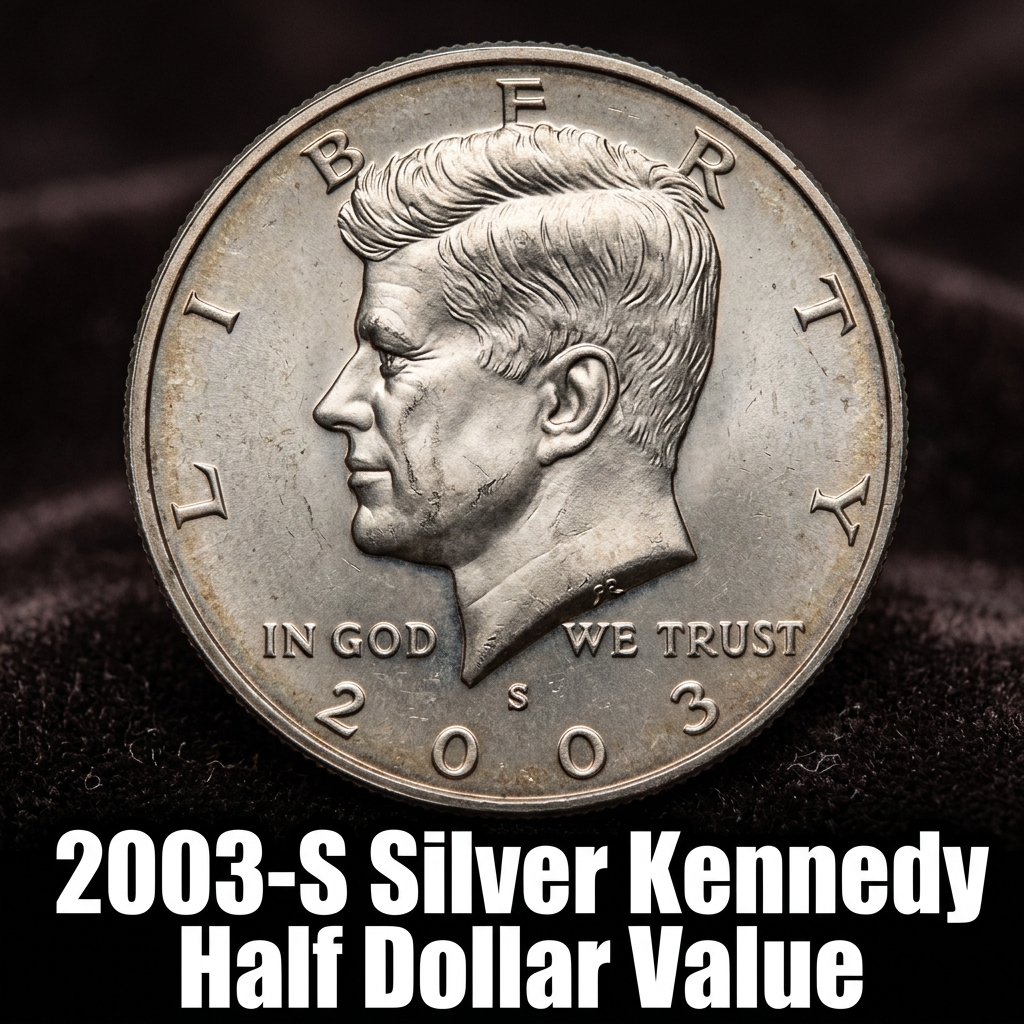
The 2003-S Silver Kennedy Half Dollar is worth anywhere from $10 in circulated condition to $40 or more in pristine mint state, with top-grade proof examples occasionally fetching even higher prices at auction. If you found one of these coins tucked away in a collection or inherited set, you’re in luck — it’s made of 90% silver and has real collector value.
coin identification app tools have made it easier than ever for everyday collectors to quickly identify coins like this one and get an instant sense of what they might be worth before heading to a dealer or online marketplace.
What Makes the 2003-S Silver Kennedy Half Dollar Special
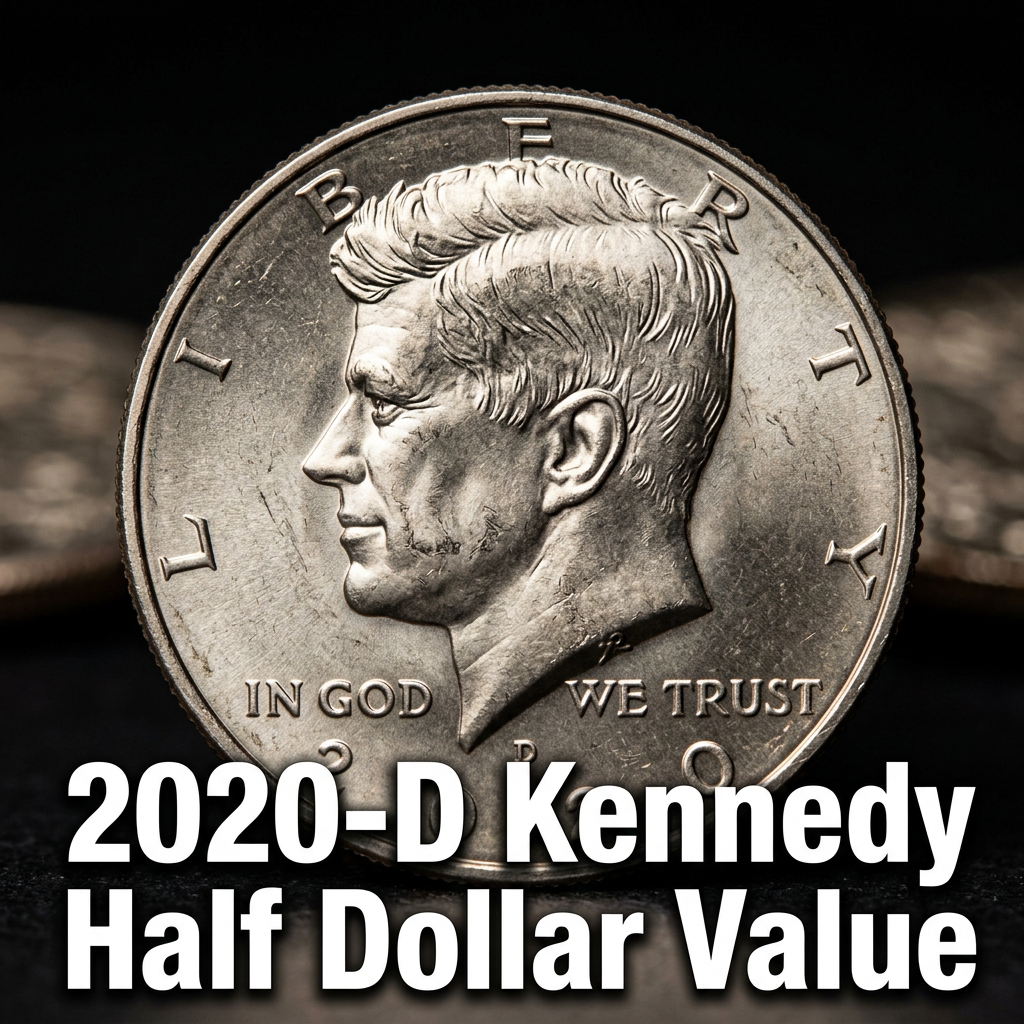
Not all Kennedy Half Dollars are created equal, and the 2003-S is a great example of why the mint mark and composition matter so much. The “S” in the coin’s name tells you it was struck at the San Francisco Mint, which is famous for producing some of the finest proof coins in American history. This particular issue was part of the Silver Proof Set released that year, meaning it was never intended for everyday circulation. It was made for collectors, with a mirror-like finish and sharp, detailed design that stands apart from the copper-nickel clad versions produced for general use.
The coin contains 0.3617 troy ounces of pure silver, which gives it an intrinsic melt value that fluctuates with the silver spot price. When silver is trading around $25 per ounce, the raw metal value alone puts this coin well above face value. That built-in silver content acts as a price floor, making it a solid little asset as well as a collectible.
How Much Is the 2003-S Silver Kennedy Half Dollar Worth Right Now
The value of this coin depends heavily on its condition and grade. Proof coins like the 2003-S are graded on the standard Sheldon scale from PR60 to PR70, with PR70 representing a flawless, perfect coin. Most examples pulled from original mint sets grade out between PR67 and PR69, which is where most of the collector market sits.
Here’s a general value breakdown based on current market data:
| Grade | Estimated Value | Notes |
|---|---|---|
| PR60–PR64 | $10–$15 | Minor surface marks or haze |
| PR65–PR66 | $15–$22 | Nice eye appeal, minor flaws |
| PR67–PR68 | $22–$35 | Most common collector grade |
| PR69 | $35–$50 | Near perfect, high demand |
| PR70 | $75–$150+ | Perfect coin, rare at this level |
For the most up-to-date pricing across dealers and recent auction results, you can check out current 2003 Kennedy Half Dollar price data by grade to see what collectors are actually paying right now.
Deep Cameo vs. Regular Proof — Does It Matter
Yes, absolutely. When you look at proof coins from the San Francisco Mint, you’ll often see two designations: regular proof and Deep Cameo (DCAM). A Deep Cameo coin has a stunning contrast between the frosted design elements and the mirror-like background fields. This effect makes the coin look almost three-dimensional and significantly increases its appeal to collectors.
A 2003-S Silver Kennedy Half Dollar graded PR69 without a Deep Cameo designation might sell for around $35, while the same coin with a PR69 DCAM designation could push $45 to $55 or more. At PR70 DCAM, you’re looking at a premium piece that serious type collectors actively seek out. If your coin has that sharp, dramatic contrast when you tilt it under the light, it’s worth getting it graded by a service like PCGS or NGC to lock in that designation and protect its value.
How to Check Your 2003-S Half Dollar’s Value Using an App
If you’re new to coin collecting and not sure where to start, there are great digital tools available today. CoinKnow is one of the most popular apps among casual collectors and beginners — it lets you photograph your coin and get an instant identification along with estimated value ranges based on current market data. It’s a fast way to figure out what you’re holding before you make any decisions about selling.
Once you’ve identified your coin, you can dig deeper into detailed 2003 Half Dollar value information by mint mark and condition to understand exactly where your specific example falls on the value spectrum. CoinKnow also tracks live silver prices, which is helpful since the melt value of your 2003-S shifts every day with the silver market.
Should You Sell or Hold Your 2003-S Silver Kennedy
This is one of the most common questions collectors face. For most people who found this coin in an inherited set or old collection, the honest answer is that it’s worth keeping — at least for now. The 2003-S Silver Kennedy Half Dollar is not rare in an absolute sense, but it has a loyal collector base, real silver content, and consistent demand in the proof coin market.
If you own multiple examples or a full 2003 Silver Proof Set, the set format often commands a premium over individual coins sold separately. Keep them in their original government packaging if possible, as that original mint packaging helps establish authenticity and preserves the coin’s surfaces. If you do decide to sell, major platforms like eBay and Heritage Auctions are good starting points, and using CoinKnow to benchmark your price expectations beforehand will help you avoid leaving money on the table.
—
FAQ
Q: Is the 2003-S Kennedy Half Dollar made of real silver?
A: Yes. The 2003-S Kennedy Half Dollar is composed of 90% silver and 10% copper, giving it a silver weight of approximately 0.3617 troy ounces. It is part of the annual Silver Proof Set and was never struck for circulation.
Q: How do I know if my Kennedy Half Dollar is the silver version or the regular clad version?
A: Look for the “S” mint mark on the obverse (front) of the coin, just below Kennedy’s portrait. If it has an “S” mint mark, it’s from San Francisco and almost certainly silver if it came from a proof set. You can also weigh it — the silver version weighs 12.5 grams, slightly more than the clad version at 11.34 grams.
Q: What is the best way to sell a 2003-S Silver Kennedy Half Dollar?
A: For individual coins, eBay is one of the most active marketplaces with plenty of comparable sales to guide your pricing. If your coin has been graded by PCGS or NGC, Heritage Auctions or Stack’s Bowers may get you better results. Always research recent sold prices — not just listed prices — before setting your asking price.