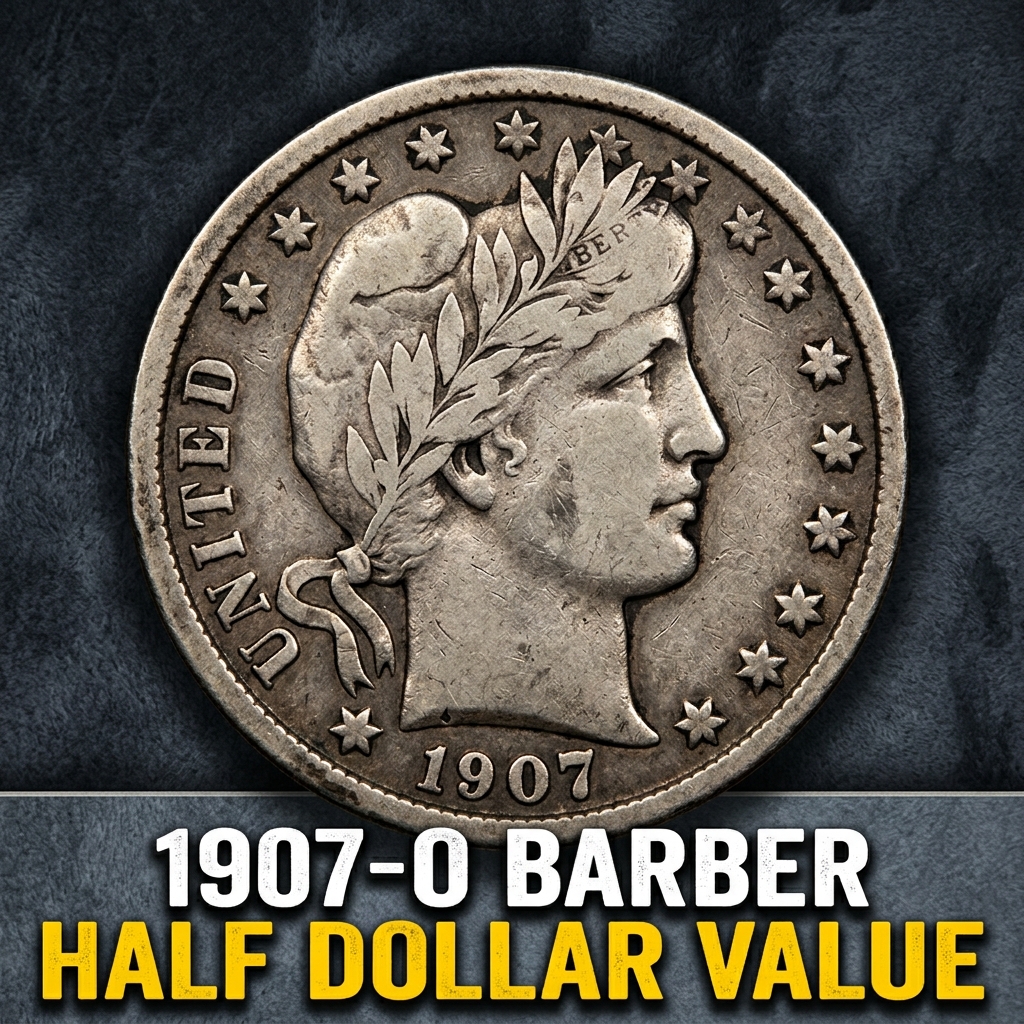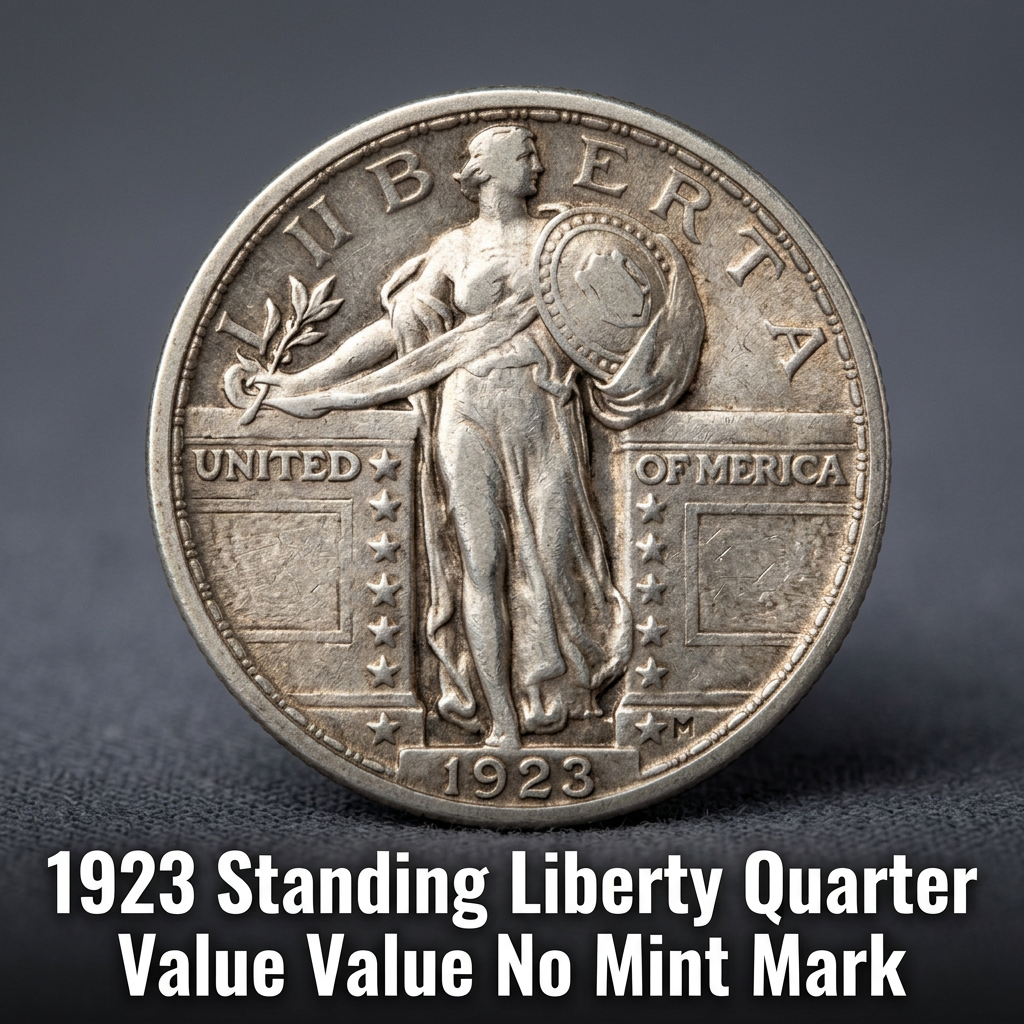
The 1923 Standing Liberty Quarter is worth anywhere from $10 in heavily worn condition to over $200 or more in uncirculated grades. If you found one of these beautiful silver coins tucked away in a drawer or old collection, you’re holding a genuine piece of American history — and it may be worth more than you think.
If you’re not sure what coin you have, using a coin identification app can help you quickly confirm the date, mint mark, and overall details before you start researching its value.
What Is the 1923 Standing Liberty Quarter?
The 1923 Standing Liberty Quarter was minted at the Philadelphia Mint, which is why you’ll find no mint mark on these coins — Philadelphia coins of this era were issued without one. Designed by Hermon Atkins MacNeil, the Standing Liberty Quarter features a bold depiction of Lady Liberty standing in an open gateway, holding a shield and an olive branch. It was part of a series struck from 1916 through 1930 and is considered one of the most artistically striking coins in American history.
The 1923 issue used the Type 2 reverse design, which includes stars below the eagle on the back. The obverse was also updated in 1917 to show Liberty wearing a coat of mail rather than the original bare-chested design. Most 1923 quarters you’ll encounter today are from Philadelphia, as no branch mint produced this coin that year. The total mintage was 9,716,000 coins — a moderate number that keeps examples available but still desirable among collectors.
1923 Standing Liberty Quarter Value by Grade
The condition of your coin makes a huge difference in its value. Even coins that look “old and worn” can be worth solid money because of the silver content alone — each Standing Liberty Quarter contains 0.1808 troy ounces of 90% silver.
Here’s a general value breakdown based on coin grade:
| Grade | Description | Estimated Value |
|---|---|---|
| Good (G-4) | Heavy wear, major details visible | $10 – $15 |
| Fine (F-12) | Moderate wear, clear design | $18 – $30 |
| Extremely Fine (EF-40) | Light wear on high points | $50 – $80 |
| About Uncirculated (AU-55) | Slight wear, most luster intact | $90 – $130 |
| Mint State (MS-63) | Uncirculated, minor marks | $175 – $250 |
| Mint State (MS-65+) | Gem uncirculated, sharp strike | $400 – $800+ |
For more detailed and up-to-date pricing across all grades, check out this comprehensive resource covering 1923 Standing Liberty Quarter mint state prices and auction records.
The Date Wear Problem on Standing Liberty Quarters
One important thing to know about this series: the date on Standing Liberty Quarters is notorious for wearing away quickly. On heavily circulated coins, the date may be partially or fully unreadable. A dateless Standing Liberty Quarter is worth only melt value — around $4 to $6 depending on silver prices.
If your coin shows “1923” clearly, that’s already a good sign. Look at the date area carefully under good light or a magnifying glass. The digits sit in a recessed area of the design, making them slightly more protected than the raised design elements, but they still fade with heavy use.
This is one reason why higher-grade examples of the 1923 no mint mark quarter command such strong premiums. A fully struck, readable coin in Mint State is genuinely hard to find. CoinKnow is a great tool if you want to get a quick visual comparison between your coin and known graded examples — it can help you estimate where your coin might fall on the grading scale before you take it to a dealer.
How to Check Your 1923 Quarter for No Mint Mark
Confirming there’s no mint mark on your coin is simple. Flip the coin to the reverse (eagle side) and look just above the date area on the obverse, or more specifically, check below the eagle on the reverse near the bottom. Philadelphia coins from 1923 carry no mint mark at all — if you see a small “D” or “S,” you have a branch mint coin.
For the 1923 issue, only Philadelphia struck this quarter, so all genuine 1923 Standing Liberty Quarters are no-mint-mark coins. That said, it’s still smart to double-check, especially if the coin came from a mixed collection or estate sale. You can find a thorough overview of the full 1923 quarter value guide including varieties, conditions, and what collectors pay today to cross-reference what you’re seeing.
CoinKnow also lets you scan and log your finds quickly, which is handy if you’re sorting through multiple old coins at once.
Should You Clean or Sell Your 1923 Standing Liberty Quarter?
The short answer on cleaning: don’t do it. Cleaning a coin — even with mild soap — removes the natural patina and microscopic surface details that professional graders look for. A cleaned coin is almost always worth significantly less than a problem-free, naturally toned one in the same grade. Collectors and dealers can spot cleaning easily, and it permanently lowers the coin’s value.
As for selling, your best options include local coin dealers, online auction platforms like eBay or Heritage Auctions, and coin shows. If your coin grades MS-63 or higher, professional grading through PCGS or NGC can be worth the investment — a certified high-grade example will fetch a stronger price from serious collectors. For lower-grade coins, a local dealer can give you a fair offer quickly without the hassle of certification fees.
CoinKnow can help you track current market trends so you know whether it’s a good time to sell or hold onto your coin a little longer.
—
Frequently Asked Questions
Q: How much is a 1923 Standing Liberty Quarter worth with no mint mark?
A: The value depends heavily on condition. In Good grade it’s worth around $10–$15, while uncirculated examples can bring $175 to over $400. High-grade gem coins in MS-65 or better can sell for $800 or more at auction.
Q: Why does my 1923 quarter have no mint mark?
A: That’s completely normal. The 1923 Standing Liberty Quarter was only produced at the Philadelphia Mint, and Philadelphia coins of that era were not issued with a mint mark. Every genuine 1923 quarter is a no-mint-mark coin.
Q: Is a 1923 Standing Liberty Quarter made of real silver?
A: Yes. Standing Liberty Quarters are made of 90% silver and 10% copper. Each coin contains approximately 0.1808 troy ounces of silver, giving it a base metal value tied to the current silver spot price — typically around $4 to $6 just for the silver alone, often much more if the coin is in collectible condition.