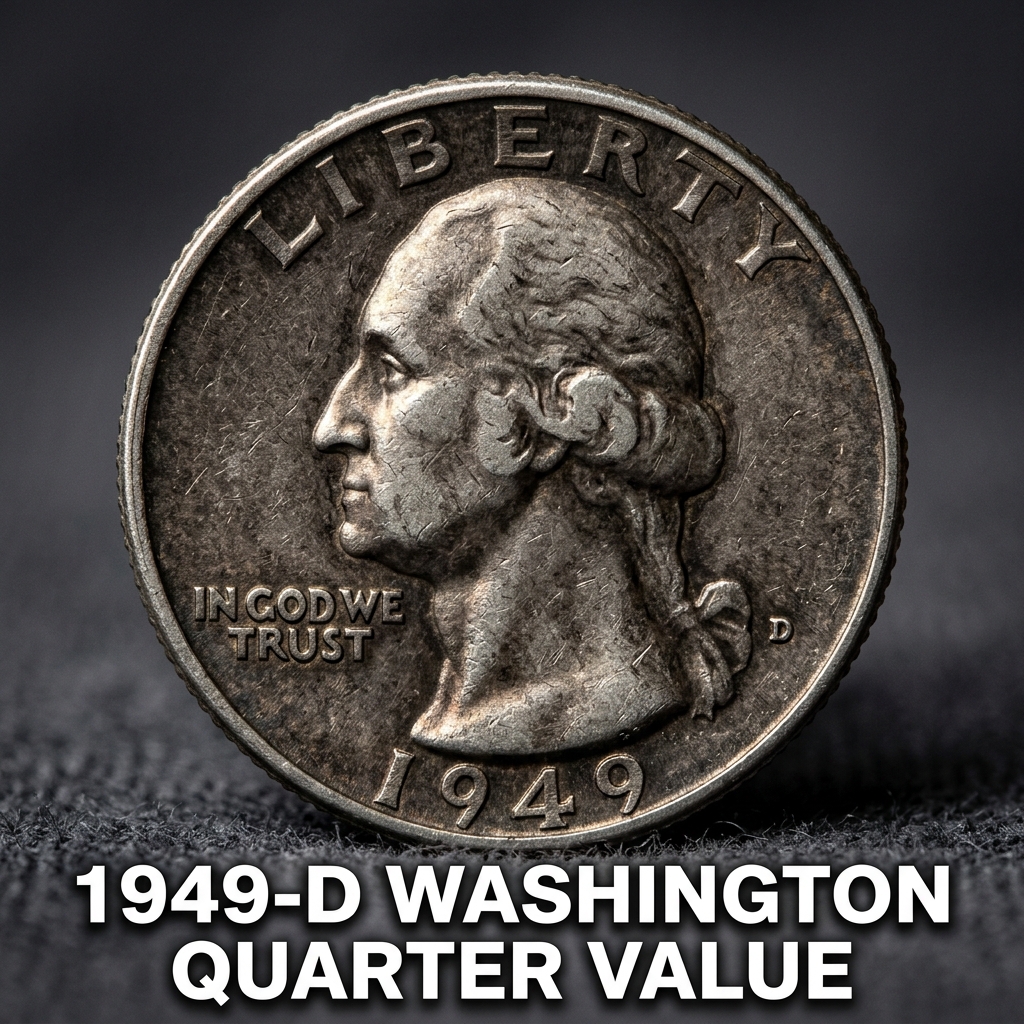
The 1949-D Washington Quarter is worth anywhere from $6 in heavily worn condition to over $150 or more in uncirculated mint state. If you’ve found one of these silver quarters in an old jar or inherited coin collection, you might be sitting on a nice little piece of American history — and some real value.
coin identification app tools can make it easier than ever to identify what you have before you even pick up a coin catalog. Whether you’re a beginner or just casually curious, this guide will walk you through everything you need to know about the 1949-D Washington Quarter, from its history to what collectors are actually paying for it today.
What Is the 1949-D Washington Quarter?
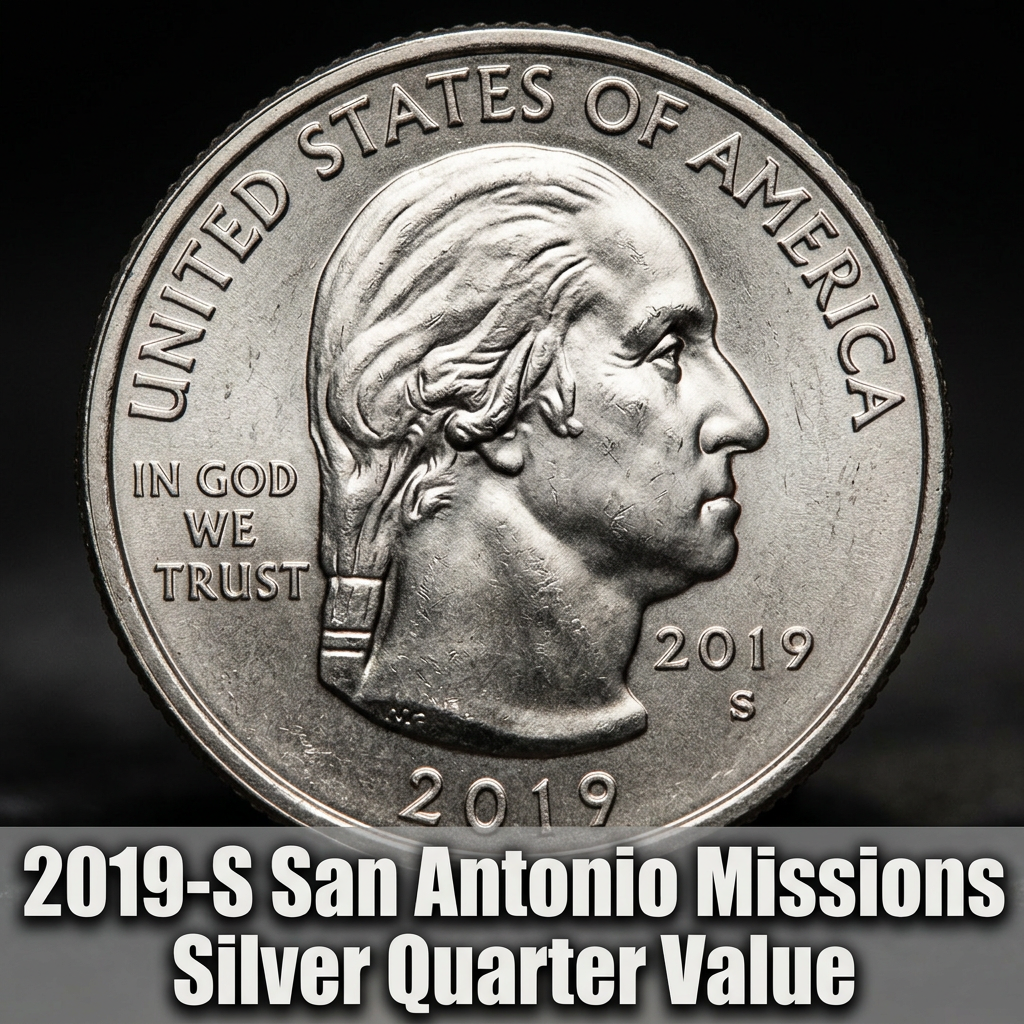
The 1949-D Washington Quarter was minted at the Denver Mint and bears the small “D” mint mark just below the eagle on the reverse side. It was struck in 90% silver, which automatically gives it melt value beyond its face value of 25 cents. The coin features the classic portrait of George Washington designed by John Flanagan, and it’s part of one of the most popular U.S. coin series among everyday collectors.
The total mintage for the 1949-D was 10,068,400 coins — a relatively modest number compared to some other years in the series. That lower mintage helps drive collector demand, especially for coins in better condition. While circulated examples are fairly affordable, finding one with strong luster and sharp details is a different story altogether.
How Much Is the 1949-D Washington Quarter Worth?
Value depends heavily on condition, also known as “grade” in coin collecting. A coin that’s been through years of pocket change will show wear on the high points — Washington’s cheek and hair above the ear — and will be worth significantly less than one that was never circulated.
Here’s a general value breakdown based on current market trends:
| Grade | Description | Estimated Value |
|---|---|---|
| Good (G-4) | Heavy wear, design visible | $6 – $8 |
| Very Fine (VF-20) | Moderate wear, details clear | $10 – $15 |
| Extremely Fine (EF-40) | Light wear on high points | $18 – $28 |
| About Uncirculated (AU-55) | Slight friction, mostly lustrous | $35 – $55 |
| Mint State (MS-63) | No wear, some contact marks | $80 – $120 |
| Mint State (MS-65) | Gem quality, strong luster | $150 – $250+ |
For a more detailed look at 1949-D Washington Quarter price data across mint state grades, certified auction records can give you the most current market picture.
Silver Melt Value and Why It Matters
Even a beat-up 1949-D Washington Quarter has intrinsic value because of its silver content. Each Washington Quarter from this era contains 0.1808 troy ounces of pure silver. With silver prices fluctuating around $25–$30 per troy ounce in recent years, that puts the melt value of your coin somewhere between $4.50 and $5.50 at minimum.
This means that even in the worst condition, your 1949-D quarter is worth more than 25 cents — and often at least double or triple face value just based on metal content alone. Of course, collector value adds on top of that for nicer examples. It’s worth remembering that melting coins is generally not recommended since collector premiums almost always exceed melt value for coins in decent shape.
What Makes a 1949-D Quarter More Valuable?
Collectors pay a premium for coins that stand out from the rest. For the 1949-D Washington Quarter, a few key factors drive higher prices. First, eye appeal matters enormously — coins with original mint luster, no cleaning, and no damage command the best prices. Second, a strong, well-struck “D” mint mark is desirable, as weak strikes can reduce appeal to specialists.
Third-party certification from services like PCGS or NGC can significantly increase buyer confidence and realized prices, especially for coins graded MS-64 and above. A certified gem example in MS-65 can sometimes sell for well above the average estimates you see in price guides. If you believe your coin is in exceptional condition, professional grading may be worth the investment. You can explore detailed 1949 Washington Quarter value information by grade and mint mark to better understand where your coin might fall on the spectrum.
CoinKnow is a great resource if you’re just getting started — the app helps you quickly identify coins and understand their approximate value without needing a library of reference books.
How to Check Your 1949-D Quarter’s Condition at Home
You don’t need fancy equipment to do a basic condition check. Start by examining the coin under good natural light or a simple magnifying glass. Look at Washington’s cheek and the hair strands above his ear — these are the first areas to show wear. On the reverse, check the eagle’s breast feathers and the tops of the wings.
If the high points look smooth and worn flat, you’re likely looking at a Good to Fine grade example worth $6–$12. If you can still see individual hair strands and the eagle’s feathers are well-defined, you may have a coin in the Very Fine to Extremely Fine range. Avoid the temptation to clean the coin — cleaning actually destroys collector value and is one of the most common mistakes beginners make.
Using CoinKnow can take the guesswork out of the process. Just scan the coin with your phone and get instant feedback on what you’re looking at and what it might be worth on today’s market.
—
Frequently Asked Questions
Q: How do I know if my quarter is the 1949-D and not a regular 1949?
A: Flip the coin to the reverse side and look just below the eagle’s tail feathers. If you see a small “D,” it was minted in Denver. No mint mark means it was minted in Philadelphia. There is no “S” mint mark for 1949 quarters.
Q: Is it worth getting my 1949-D Washington Quarter graded by PCGS or NGC?
A: It’s generally worth the cost only if your coin appears to be in uncirculated or near-uncirculated condition. Grading fees typically start around $30–$50 per coin, so the math works best when your coin’s potential value exceeds that threshold. For worn circulated examples worth $6–$20, professional grading usually isn’t cost-effective.
Q: Where is the best place to sell a 1949-D Washington Quarter?
A: For average circulated coins, local coin shops or online platforms like eBay are convenient options. For higher-grade examples, auction houses that specialize in coins — like Heritage Auctions — will typically get you the best prices. Always get a second opinion before selling, and consider using CoinKnow to get a baseline value estimate before you walk into any shop.