The 1912-S Barber Half Dollar is worth anywhere from $25 in heavily worn condition to well over $500 in lightly circulated grades — and in mint state, examples have sold for thousands of dollars at auction. If you found one of these old silver coins and are wondering what it’s worth, you’re in the right place.
—
What Is the 1912-S Barber Half Dollar?
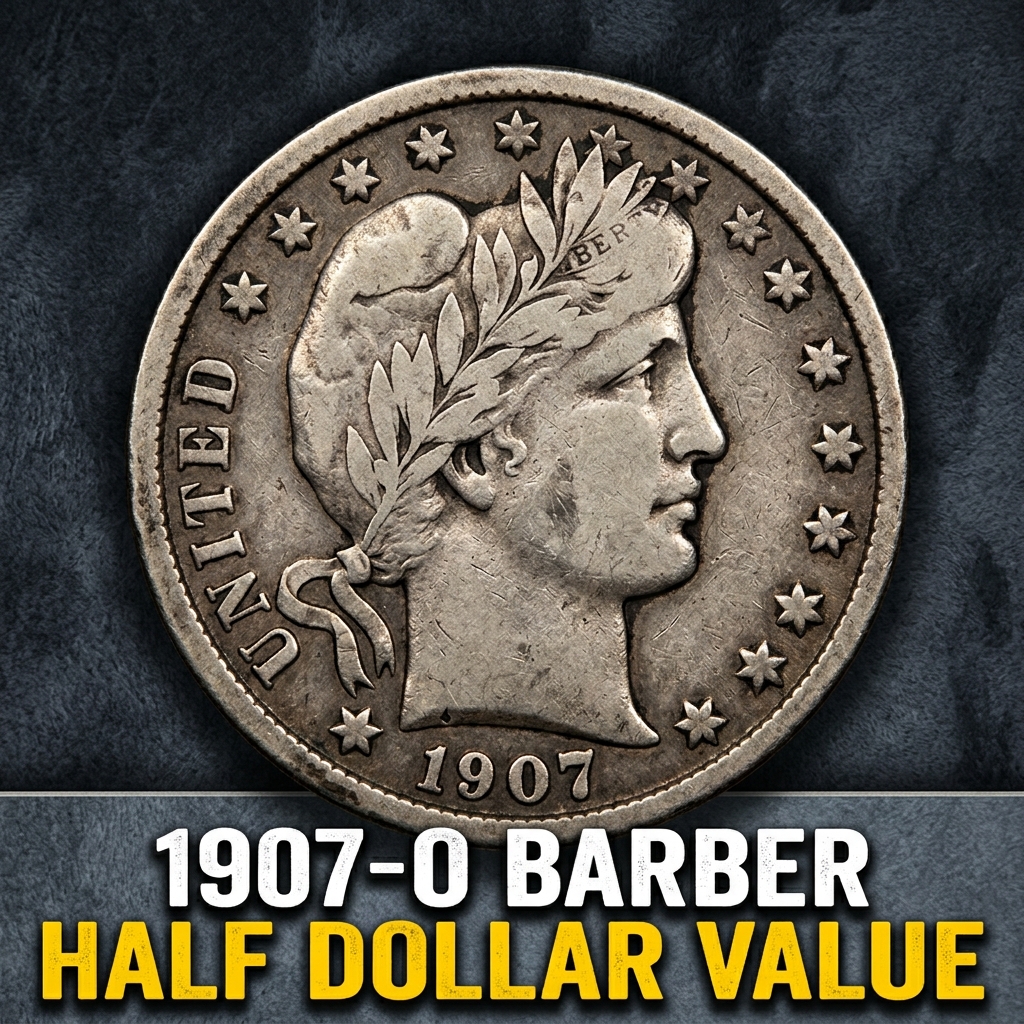
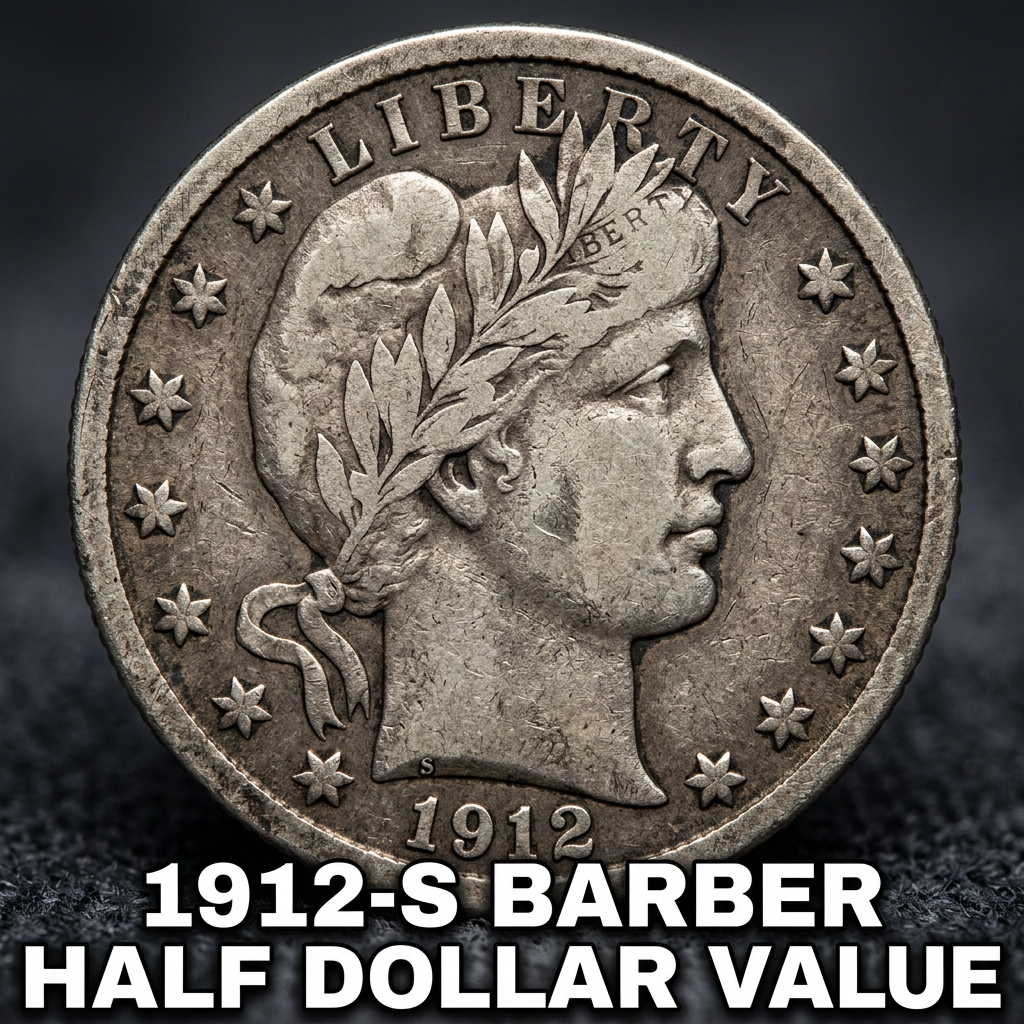
The 1912-S Barber Half Dollar was struck at the San Francisco Mint in 1912, part of the long-running Barber coinage series designed by Charles E. Barber, the U.S. Mint’s Chief Engraver at the time. The obverse features a classic portrait of Liberty wearing a Phrygian cap and laurel wreath, while the reverse shows a heraldic eagle with a shield on its chest.
The “S” mintmark, found on the reverse just above the “DO” in “DOLLAR,” tells you this coin was made in San Francisco. The 1912-S had a mintage of 1,370,000 coins — not a tiny number, but low enough that well-preserved examples are genuinely hard to find today. Most of these coins circulated heavily for decades, which is why finding one in decent condition is exciting.
If you’re not sure what you have, a coin identification app can help you confirm the mintmark, date, and series before you start evaluating its value. Getting the basics right is the first step.
—
1912-S Barber Half Dollar Value by Grade
Coin values change dramatically depending on condition. Here’s a general value guide based on typical market prices:
| Grade | Description | Estimated Value |
|---|---|---|
| AG-3 / G-4 | Heavily worn, date visible | $25 – $35 |
| VG-8 / F-12 | Moderate wear, details present | $50 – $100 |
| VF-20 / VF-35 | Light to moderate wear | $110 – $200 |
| EF-40 / AU-55 | Light wear, strong details | $250 – $550 |
| MS-60 to MS-63 | Uncirculated, some marks | $1,000 – $2,500+ |
| MS-64 and above | Gem uncirculated | $4,000 – $10,000+ |
Values shown are approximate and based on recent auction results and dealer prices. Silver content (0.3618 oz of pure silver per coin) also sets a base floor value tied to the current silver spot price.
—
How Condition Affects the 1912-S Half Dollar Price
Condition is everything with Barber Half Dollars. Because these coins were made for everyday commerce, most examples you’ll come across have seen heavy use. Collectors look closely at a few key areas: the top of Liberty’s head (where the word “LIBERTY” appears in the headband), the eagle’s breast feathers on the reverse, and the overall surface quality.
A coin where you can still read “LIBERTY” clearly is considered at least Fine grade and is worth meaningfully more than one where it’s worn flat. Cleaning is another major value killer — many old coins were polished by well-meaning past owners, which permanently lowers collector value even if the coin looks shiny.
If you’re trying to figure out which half dollars in your collection are actually worth money, resources that cover the most valuable half dollar coins and what makes them rare can save you a lot of time sorting through your finds.
For quick identification and grade estimates on the go, CoinKnow is a popular tool among collectors who want fast, reliable coin value information right from their phone.
—
Silver Value and Why It Matters
Even a beat-up 1912-S Barber Half Dollar has real intrinsic value because it’s made of 90% silver. Each coin contains approximately 0.3618 troy ounces of pure silver. When silver trades around $28–$30 per ounce, that puts the melt value of a single coin at roughly $10–$11. This is why even the most worn examples rarely trade below $20–$25 — there’s a hard floor set by silver content alone.
Of course, the numismatic (collector) value of a nicer example far exceeds the melt value. The point is simple: if someone offers you a few dollars for an old Barber Half Dollar, don’t take it. Even in rough shape, these coins are worth real money. Apps like CoinKnow can give you a live silver-adjusted estimate so you always know the minimum a coin is worth before making any decisions.
—
Is the 1912-S a Rare Coin?
The 1912-S Barber Half Dollar isn’t considered a key date, but it sits in the semi-scarce category, especially in higher grades. The Philadelphia Mint issue from the same year had a much larger mintage of nearly 1.6 million, making the “S” mint version slightly tougher. Collectors building a complete Barber Half Dollar set by date and mint will actively seek out the 1912-S, which keeps demand steady.
In MS-65 and above, the 1912-S becomes a genuinely challenging coin to find, and certified examples in top grades have fetched impressive prices at major auction houses. Even if you’re not building a full set, owning a nicely preserved 1912-S is a solid holding for any silver coin collection.
CoinKnow offers a handy reference for tracking how specific date-and-mint combinations compare in rarity and value across the entire Barber series.
—
FAQ
Q: How do I know if my 1912-S Barber Half Dollar has been cleaned?
A: Cleaned coins often have an unnatural, bright, almost mirror-like appearance with hairline scratches visible under magnification. A coin that looks too shiny for its age has likely been polished, which reduces collector value significantly. Compare your coin to photos of unclean examples online or use an identification tool to check.
Q: What is the minimum value of a 1912-S Barber Half Dollar?
A: Even in poor condition, the silver content alone makes this coin worth at least $10–$12 based on current silver prices, and collector demand pushes most examples to $25 or more. Coins in Fine or better condition are worth considerably more.
Q: Should I have my 1912-S Barber Half Dollar professionally graded?
A: If your coin appears to be in Extremely Fine (EF-40) or better condition, professional grading by PCGS or NGC is usually worth the cost. A certified MS-63 or higher example can be worth many times more than a raw coin of the same quality, and buyers pay premiums for certified pieces.