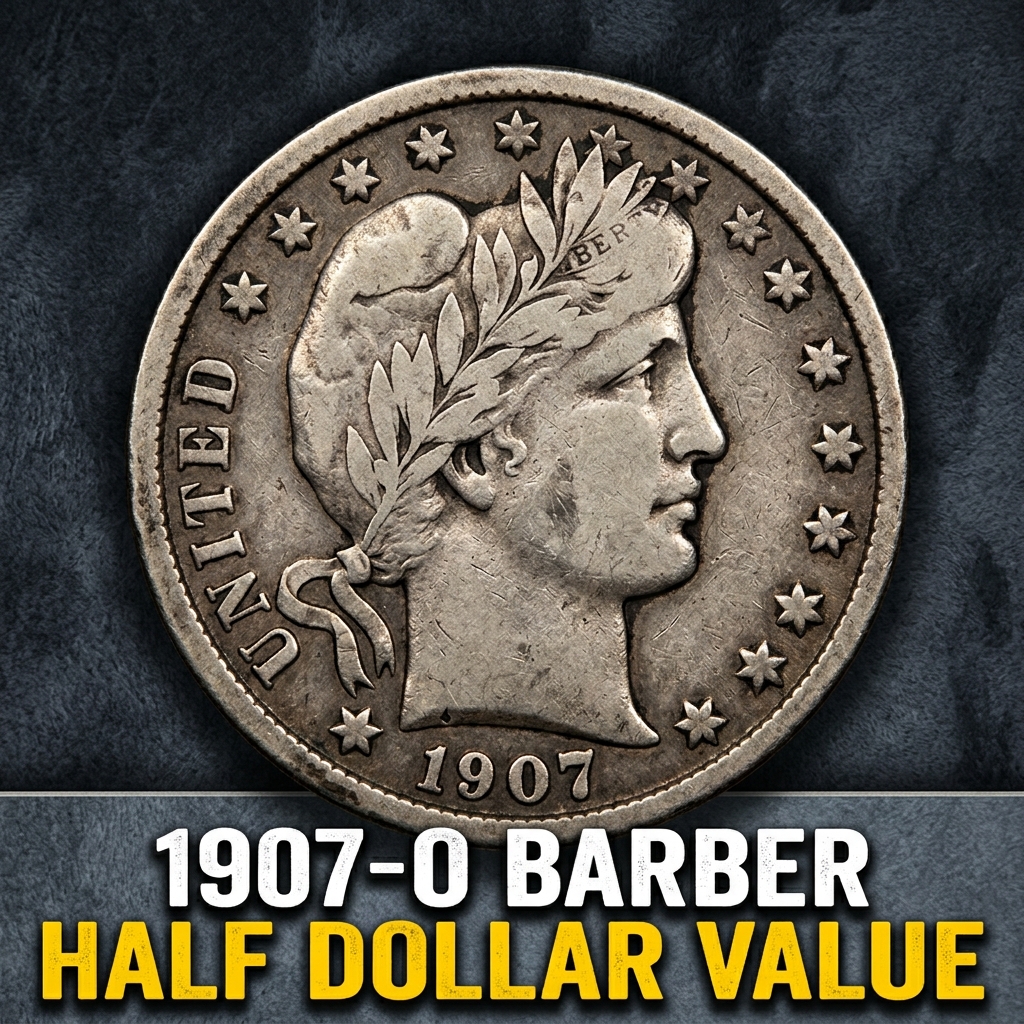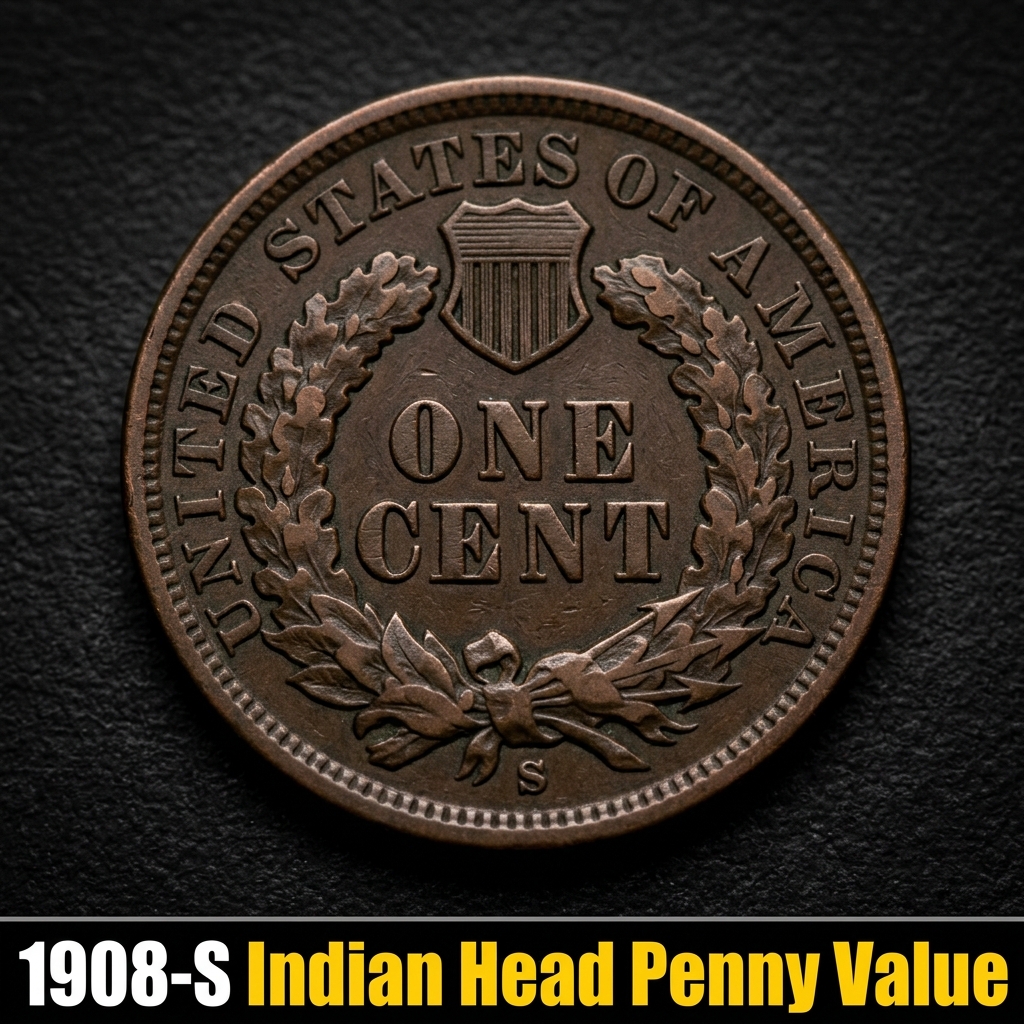
The 1908-S Indian Head Penny is worth anywhere from $50 in heavily worn condition to well over $500 in lightly circulated grades — and in pristine mint state, certified examples can fetch $1,000 or more. If you found one of these in an old coin jar or inherited collection, you may be sitting on a real treasure.
Why the 1908-S Is a Special Coin
Not all Indian Head Pennies are created equal, and the 1908-S is a perfect example of why the mint mark matters so much. The small “S” below the wreath on the reverse tells you this cent was struck at the San Francisco Mint — and that single letter makes an enormous difference in value. San Francisco produced far fewer Indian Head cents than Philadelphia in 1908, with a mintage of just 1,115,000 coins compared to Philadelphia’s tens of millions. That relatively low production number makes the 1908-S a key date in the Indian Head Penny series, and collectors actively seek it out.
If you’re not sure whether your coin has a mint mark, or you want help identifying exactly what you have, a coin identification app can analyze your coin using your phone’s camera and give you a quick read on what you’re holding. Tools like CoinKnow make it easy for everyday people to identify rare coins without needing a dealer or expert on hand.
1908-S Indian Head Penny Value by Grade
The condition of your coin is the single biggest factor in determining its value. Coin collectors use a grading scale from 1 to 70, but for most found coins, you’re looking at grades between Good (G-4) and Extremely Fine (EF-40). Here’s a general value breakdown:
| Grade | Description | Estimated Value |
|---|---|---|
| Good (G-4) | Heavy wear, outline visible | $50 – $75 |
| Very Good (VG-8) | Moderate wear, some detail | $80 – $120 |
| Fine (F-12) | Even wear, clear lettering | $130 – $175 |
| Very Fine (VF-20/30) | Light to moderate wear | $200 – $300 |
| Extremely Fine (EF-40) | Slight wear on high points | $350 – $500 |
| Mint State (MS-60+) | No wear, uncirculated | $700 – $1,500+ |
For the most current auction prices and certified sale records, you can check out detailed 1908-S Indian Head Penny price data by grade and color designation to see exactly where recent examples have sold.
What to Look for on Your 1908-S Penny
When you’re examining your coin, a few details matter beyond just wear. The color designation — Red (RD), Red-Brown (RB), or Brown (BN) — applies mainly to uncirculated coins and can swing the value significantly. A Red 1908-S Indian Head Penny in MS-63 condition is worth considerably more than a Brown example of the same grade.
Also check the sharpness of the diamond shapes on the headdress and the feather tips. On a coin that grades VF or better, these design elements should still show clear separation. The date and mint mark should also be crisp and fully readable — a partially visible “S” can sometimes drop a coin an entire grade level in collector eyes.
CoinKnow is a great resource for learning these grading basics if you’re new to coin collecting. The app walks you through what to look for in photos, making it easier to self-assess your coin before heading to a dealer.
Should You Get It Certified?
If your 1908-S Indian Head Penny looks like it grades Fine or better, professional certification from PCGS or NGC is absolutely worth considering. Third-party grading adds credibility and typically increases resale value significantly — buyers are willing to pay a premium for a coin they can trust. Certification fees run around $30–$50 per coin for standard service, which is very reasonable when your coin might sell for $200 or more.
Before you invest in grading, do a little research on current market values. You can find a solid overview at this comprehensive guide to 1908 Indian Head Penny values across all grades and mint marks. It’ll give you a good sense of whether certification makes financial sense for your specific coin.
Where to Sell a 1908-S Indian Head Penny
Once you know what you have, you have several selling options. Heritage Auctions and Stack’s Bowers are the top choices for higher-grade examples, often drawing serious collector bidders. eBay is another strong option for circulated coins in Good through Very Fine condition — just be sure to photograph the obverse, reverse, and edge clearly. Local coin dealers can offer quick cash but may pay 20–30% below retail. Whatever route you choose, use CoinKnow or another pricing resource to set a realistic floor before you negotiate.
Frequently Asked Questions
Q: How do I know if my penny is really a 1908-S and not a fake?
A: Look for the “S” mint mark on the reverse, just below the wreath and above “ONE CENT.” Genuine coins will show natural wear patterns consistent with the grade, and the lettering should look sharp under magnification. When in doubt, submit it to PCGS or NGC for authentication — they can spot counterfeits that fool the naked eye.
Q: Is the 1908-S Indian Head Penny rare?
A: Yes, it’s considered a key date in the series. With a mintage of just over one million coins and more than a century of circulation losses, surviving examples in collectible condition are genuinely scarce. It’s one of the most sought-after dates in the entire Indian Head Penny set.
Q: My 1908-S looks cleaned or polished. Does that hurt the value?
A: Unfortunately, yes. Cleaning a coin removes the natural patina that collectors prize and leaves micro-scratches visible under magnification. A cleaned 1908-S Indian Head Penny may still sell for $30–$60 in lower grades, but it will never reach the values of a problem-free example. PCGS and NGC will label cleaned coins as “Details” grades, which limits their collector appeal.