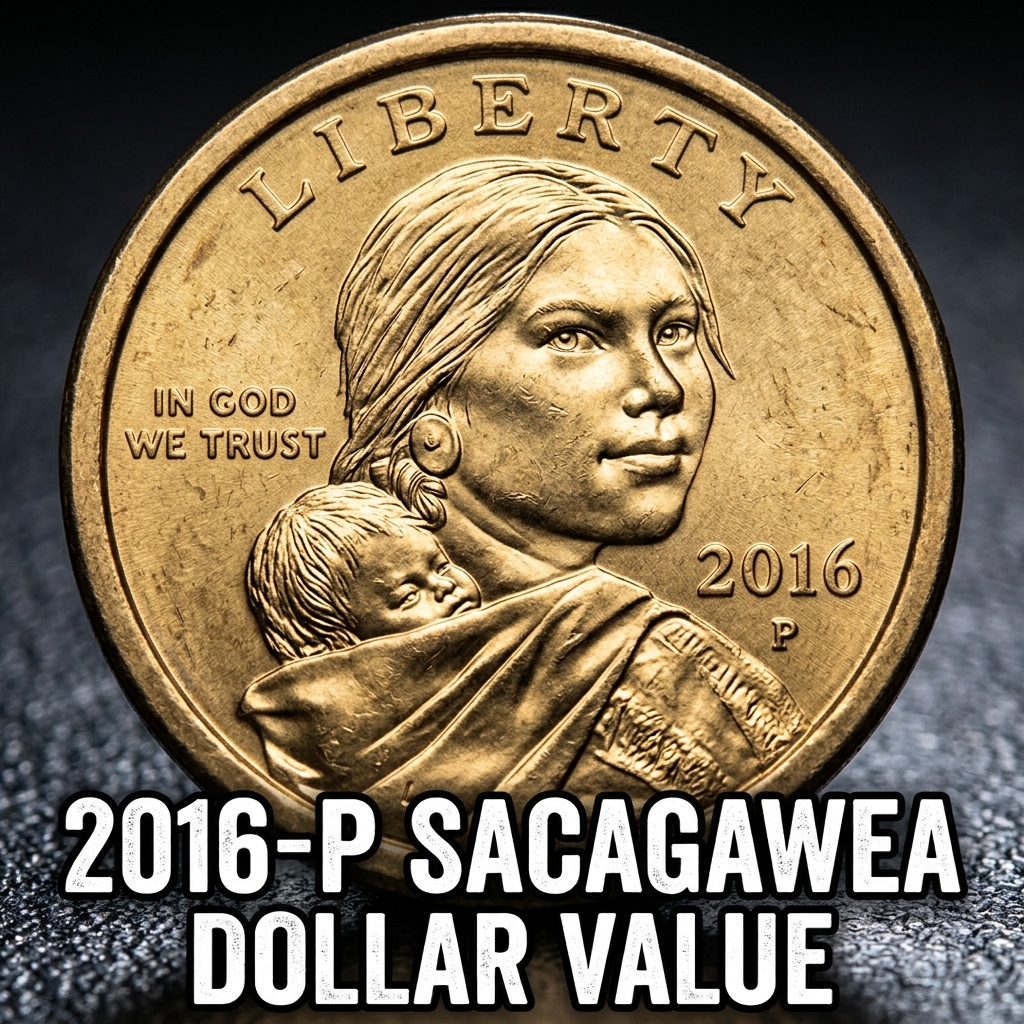
The 2016-P Sacagawea Dollar is worth anywhere from $1 in circulated condition to $15 or more in pristine mint state — and certain varieties can fetch even higher prices among serious collectors. If you found one of these golden dollars in a drawer or inherited a coin collection, you’re in the right place.
What Is the 2016-P Sacagawea Dollar?
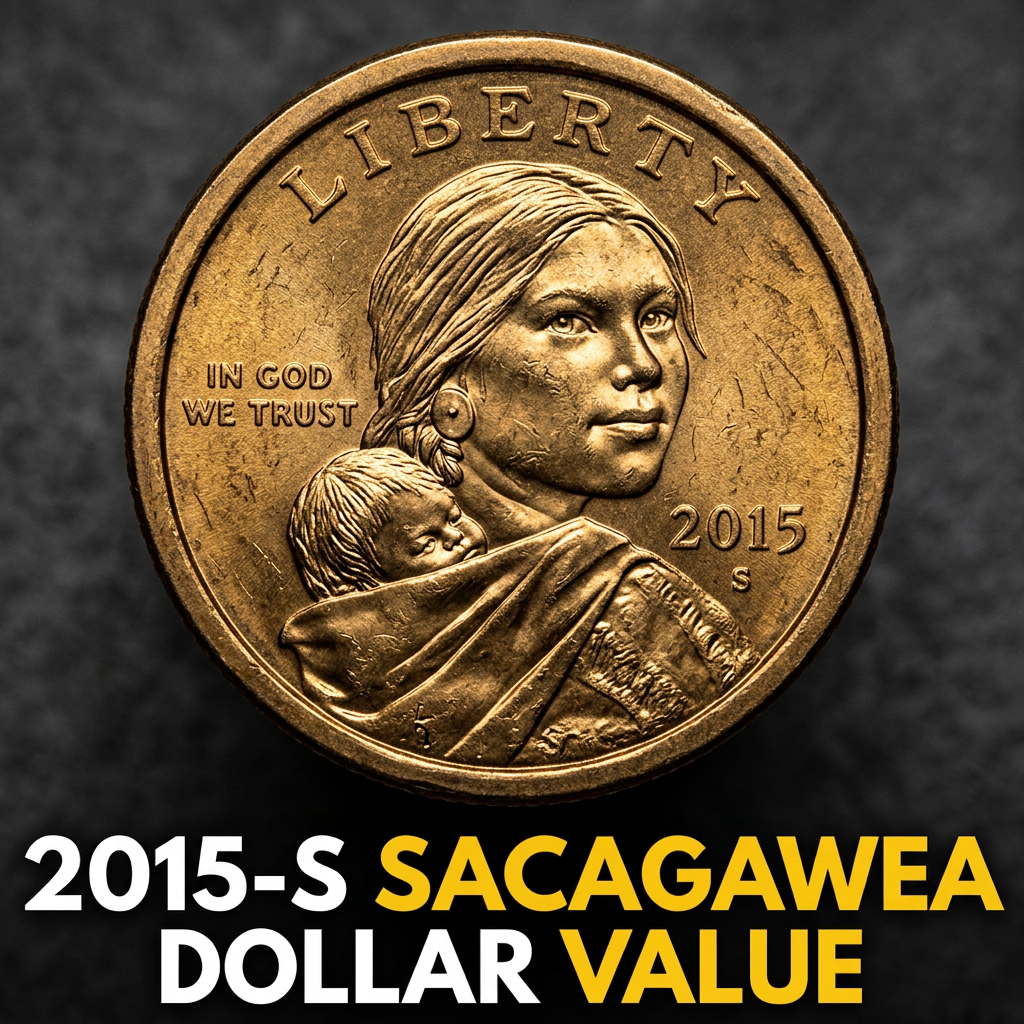
Before we dig into value, it helps to know what you’re holding. The 2016-P Sacagawea Dollar is part of the Native American Dollar series, a program that has been running since 2009. Each year features a new reverse design honoring the contributions of Native Americans to American history and culture. The 2016 reverse depicts a Native American woman planting seeds, representing the story of the Oneida Nation and their support during the Revolutionary War. The “P” in the name tells you this coin was struck at the Philadelphia Mint.
These golden dollars were produced primarily for collectors and were not widely released into circulation, which means most examples you’ll find are in relatively good condition. If you’re not sure what coin you have, a coin identification app can help you match the design, mintmark, and date before you try to determine its value. This is an especially handy tool if you’ve inherited a mixed collection and aren’t sure where to start.
How Much Is the 2016-P Sacagawea Dollar Worth Today
The value of your 2016-P Sacagawea Dollar depends heavily on its condition. Coin collectors use a grading scale from 1 to 70, where higher numbers represent better-preserved coins. Most circulated examples will only be worth face value or a small premium, but uncirculated specimens — especially those graded MS65 or higher — can be worth real money.
Here’s a quick look at typical market values:
| Grade | Condition | Estimated Value |
|---|---|---|
| Circulated | Worn, scratched | $1.00 (face value) |
| MS63 | Uncirculated, minor marks | $2 – $4 |
| MS65 | Gem uncirculated | $5 – $10 |
| MS67 | Superb gem | $15 – $30+ |
| MS68+ | Near perfect | $50 – $100+ |
For a more detailed breakdown, you can browse up-to-date 2016-P Sacagawea Dollar price data by grade on CoinHix, which tracks real auction results and certified coin sales. Keep in mind that prices can shift based on market demand and whether the coin has been professionally graded.
The Position A vs. Position B Varieties
One thing that surprises many newcomers is that the 2016-P Sacagawea Dollar actually comes in two distinct varieties: Position A and Position B. These terms refer to the coin’s die orientation — in other words, the way the obverse (heads side) and reverse (tails side) are aligned relative to each other.
Position A means the coin is oriented so that when you flip it top-to-bottom, both sides appear upright — this is called “coin turn.” Position B is the opposite, where flipping the coin left-to-right keeps both sides upright — called “medal turn.” Both varieties exist for the 2016-P, and while their values are generally similar, some collectors specifically seek one over the other, which can create a small premium. If you want to understand the full value picture of both varieties, checking a comprehensive guide to 2016 Sacagawea Dollar values including both varieties will give you a solid starting point before you try to sell or trade.
How to Know If Your Coin Is Worth Grading
Professional grading from services like PCGS or NGC can add significant value to high-quality coins, but it’s not free — grading typically costs $20 to $50 or more per coin. That means grading only makes sense if your 2016-P Sacagawea Dollar is in outstanding condition. Look for coins with no visible scratches, full luster, and sharp details on Sacagawea’s portrait and the reverse design. If it looks like it was never spent and has been kept in a protective holder, it might be worth the investment.
This is where CoinKnow comes in handy. The CoinKnow app lets you photograph your coin and get an instant assessment of its likely grade range, helping you decide whether professional certification is worth pursuing. Many everyday collectors use CoinKnow as their first step before spending money on formal grading services.
Where to Sell Your 2016-P Sacagawea Dollar
Once you know your coin’s approximate value, you have several options for selling. Online platforms like eBay are popular for reaching a wide audience of collectors, especially for higher-grade pieces. Local coin shops are a convenient option and can give you an in-hand offer quickly, though dealers typically pay below retail value. Coin shows are another great venue if you want to compare offers from multiple buyers in person.
For common uncirculated examples grading MS63 to MS65, expect modest offers in the $2 to $10 range. For exceptional specimens at MS67 and above, you could see significantly stronger interest and better pricing from specialist collectors.
FAQ
Q: Is the 2016-P Sacagawea Dollar rare?
A: Not particularly. The Philadelphia Mint produced millions of these coins for collector sets, so finding one in great condition isn’t unusual. However, top-grade examples at MS67 and above are harder to come by and do carry a noticeable premium.
Q: Can I spend a 2016-P Sacagawea Dollar as regular money?
A: Yes, it is legal tender worth $1. But spending a nice uncirculated example would mean giving up any collector premium it might have. If the coin is in great shape, it’s worth checking its value before dropping it in a vending machine.
Q: How do I tell if my coin is uncirculated?
A: Look at the coin under good lighting at an angle. Uncirculated coins have a full, even luster that creates a cartwheel-like reflection as you tilt them. Circulated coins show flat, dull spots where the metal has worn down from handling. Using a tool like CoinKnow can also help you compare your coin against graded reference images.