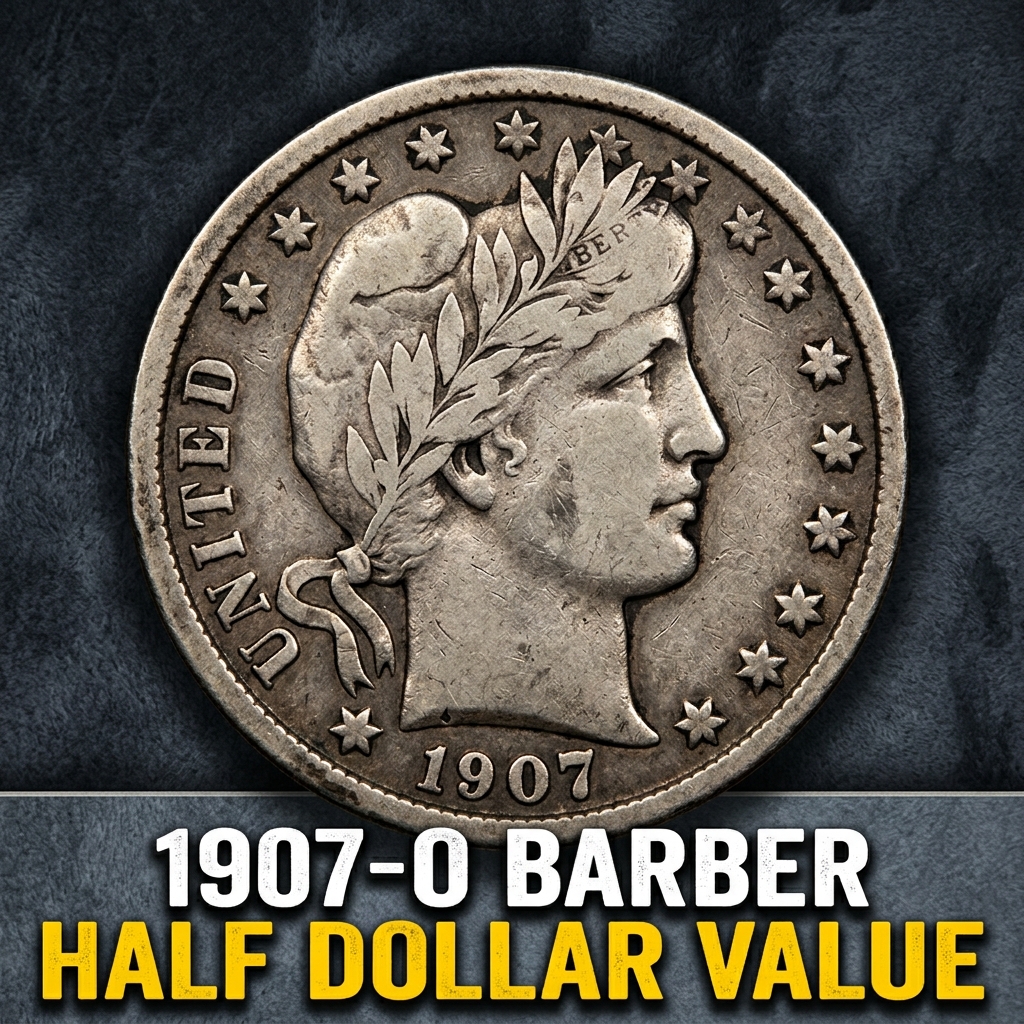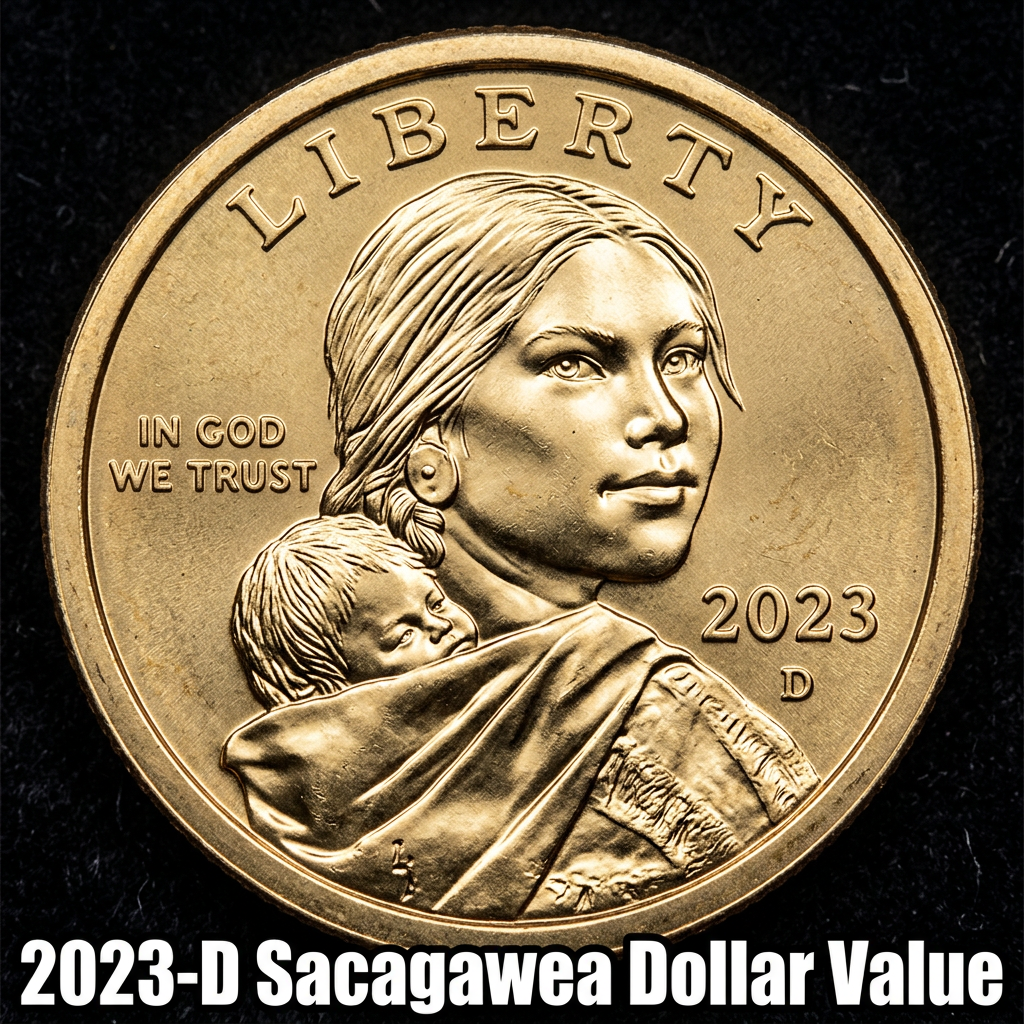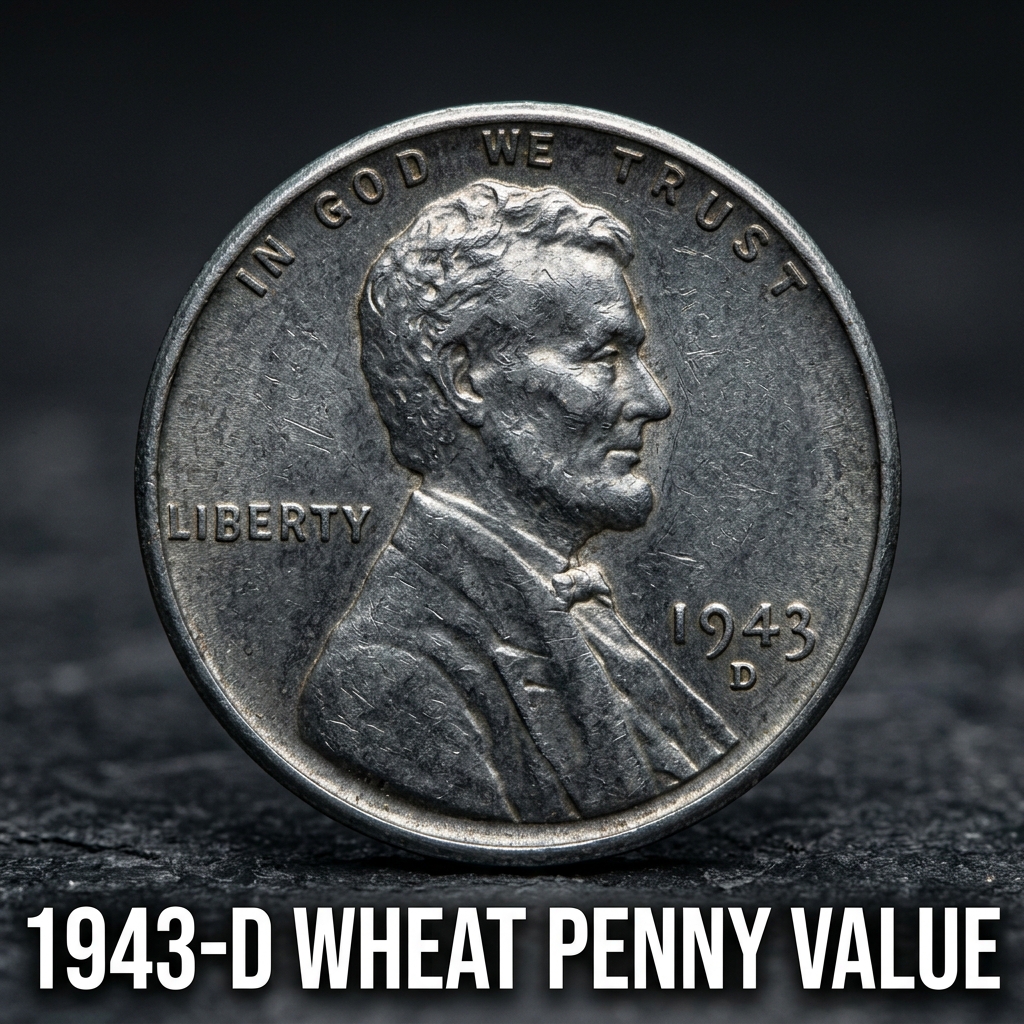
The 1943-D Wheat Penny is worth anywhere from $0.15 in heavily worn condition to over $10 in uncirculated grades — and in top mint state examples, prices can climb even higher. If you found one of these wartime coins in an old jar or collection, you’re in the right place to find out exactly what it’s worth.
What Makes the 1943-D Wheat Penny Special
The 1943-D Wheat Penny has a fascinating story behind it. During World War II, copper was considered a critical war material needed for shell casings and military equipment. To conserve copper, the U.S. Mint made a dramatic switch in 1943 — pennies that year were struck in zinc-coated steel instead of the traditional bronze composition. The “D” mint mark on these coins tells you it was struck at the Denver Mint, one of three facilities that produced steel cents that year alongside Philadelphia and San Francisco.
If you’ve ever wondered whether your old coin is genuine or want to learn more about identifying it, a coin identification app can help you quickly figure out what you’re holding. These tools are especially useful when you’re sorting through a large collection and need fast answers.
The steel composition gives the 1943-D Wheat Penny its distinctive silver-gray appearance. Many people assume these are dimes or foreign coins at first glance — but once you know what to look for, they’re easy to spot. The magnet test is one of the quickest ways to identify one: genuine 1943 steel cents will stick to a magnet, while copper fakes will not.
1943-D Wheat Penny Value by Grade
The condition of your coin plays the biggest role in determining its value. Coin collectors use a grading scale from 1 to 70, with higher numbers representing better-preserved coins. Here’s a general breakdown of what a 1943-D Wheat Penny is worth across different grades:
| Grade | Condition Description | Estimated Value |
|---|---|---|
| G-4 (Good) | Heavily worn, design visible | $0.15 – $0.50 |
| VF-20 (Very Fine) | Moderate wear, clear details | $0.75 – $2.00 |
| EF-40 (Extremely Fine) | Light wear on high points | $2.00 – $4.00 |
| MS-63 (Uncirculated) | No wear, minor bag marks | $5.00 – $12.00 |
| MS-65 (Gem Uncirculated) | Sharp strike, strong luster | $15.00 – $40.00+ |
For the most up-to-date 1943-D Wheat Penny price data across mint state grades, it’s worth checking a live price database since the coin market shifts regularly.
How Rust and Corrosion Affect 1943-D Penny Value
One major issue with 1943 steel pennies — including the Denver-minted version — is rust. Because the core is steel, these coins are highly susceptible to oxidation, especially if they were ever exposed to moisture. Even lightly rusty examples can lose significant value compared to clean, well-preserved specimens.
Collectors generally prefer coins with original zinc luster still intact. If your 1943-D penny shows brown spotting or surface corrosion, it will likely grade in the lower end of the scale, and its market value will reflect that. Cleaning a rusted coin is almost always a bad idea — professional collectors can easily tell when a coin has been cleaned, and cleaned coins typically sell for far less than problem-free examples.
CoinKnow is a great resource for checking the current market value of your coin in any condition. The app gives you real-time pricing information and helps you understand how surface issues factor into a coin’s overall grade and value.
Is There a Rare 1943-D Bronze Penny Worth a Fortune?
You may have heard stories about 1943 pennies made of copper being worth thousands — or even millions — of dollars. These do exist, but they are extraordinarily rare. A small number of copper planchets accidentally made it through the minting process in 1943, resulting in copper cents from all three mints. The 1943-D bronze cent is among the rarest, with only a handful known to exist.
If you think you have a copper 1943-D penny (it won’t stick to a magnet), it could be worth tens of thousands of dollars. However, be aware that counterfeit versions exist. Some people coat steel cents in copper or alter the date on a 1948-D penny to make it look like a 1943. Authentication by a reputable grading service like PCGS or NGC is essential before drawing any conclusions.
You can explore detailed 1943 Wheat Penny value information including the rare bronze varieties to understand just how wide the range can be depending on what you actually have.
Tips for Selling Your 1943-D Wheat Penny
If you’re thinking about selling, you have several options. Online platforms like eBay are popular for common-grade examples, while higher-grade coins often do better at auction houses or through coin dealers. For uncirculated or gem-quality coins, getting a professional grade from PCGS or NGC can significantly increase buyer confidence and the price you can command.
CoinKnow can help you compare recent sale prices so you know what fair market value looks like before you list your coin anywhere. Being informed is always your best advantage as a seller.
—
Frequently Asked Questions
Q: How do I know if my 1943-D penny is steel or copper?
A: The easiest test is a simple magnet. If the coin sticks, it’s a steel cent — the common variety. If it doesn’t stick, it could potentially be a rare copper example, but you should have it authenticated by a professional grading service before getting too excited.
Q: How many 1943-D Wheat Pennies were made?
A: The Denver Mint produced approximately 217,660,000 steel cents in 1943, making them relatively common among collectors. Their high mintage is why most examples are only worth a small premium over face value in circulated grades.
Q: Should I clean my 1943-D Wheat Penny before selling it?
A: No. Cleaning a coin — even with good intentions — almost always reduces its value in the eyes of collectors. A coin with original surfaces, even if slightly worn, is generally worth more than one that has been polished or chemically cleaned. Leave it as-is and let a buyer or CoinKnow help you assess its true condition value.